
Why Ruby Is One of the Most Prized Stones on Earth
July's Birthstone Has Earned Every Bit of Its Reputation
July's birthstone is ruby, and it shows up with the kind of confidence that only comes from several thousand years of being considered one of the most precious stones on earth. Deep red. Intensely saturated. The kind of color that reads from across a room.
But ruby is more than its drama. There's actual substance behind the reputation. Here's what you should know.
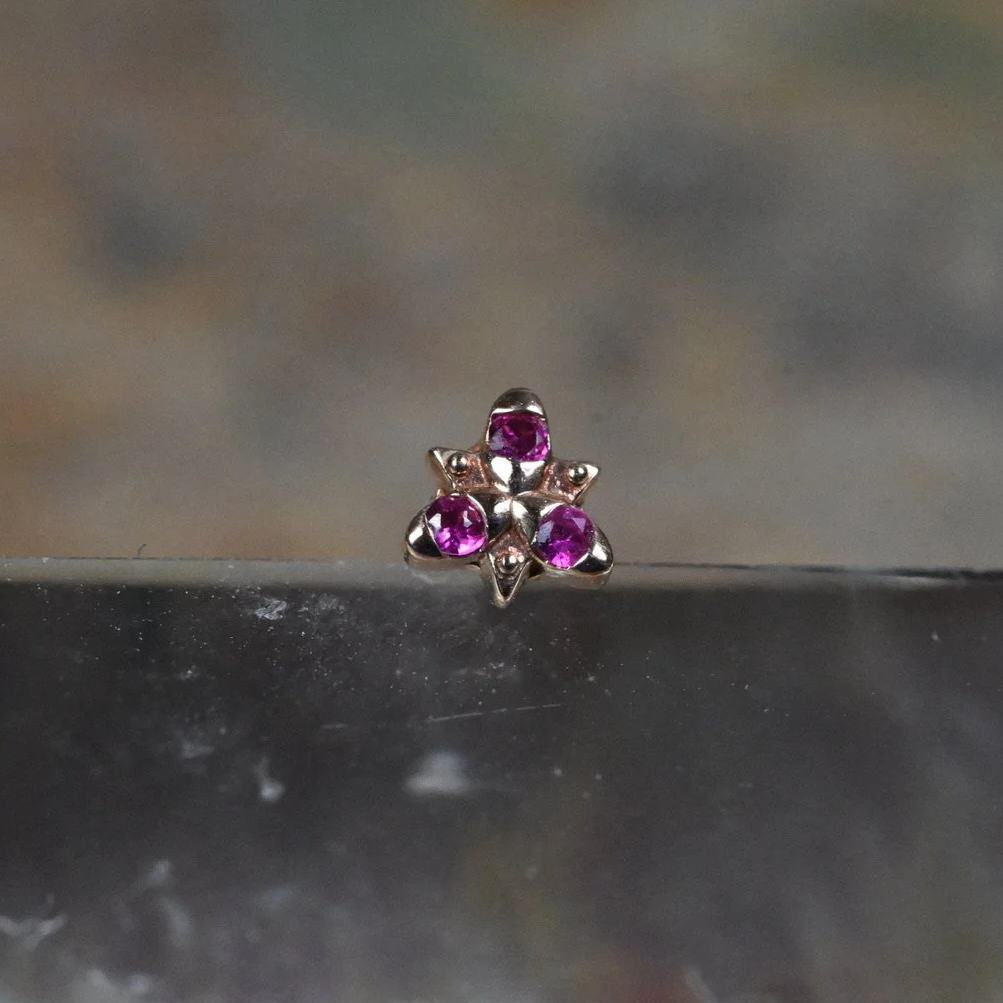
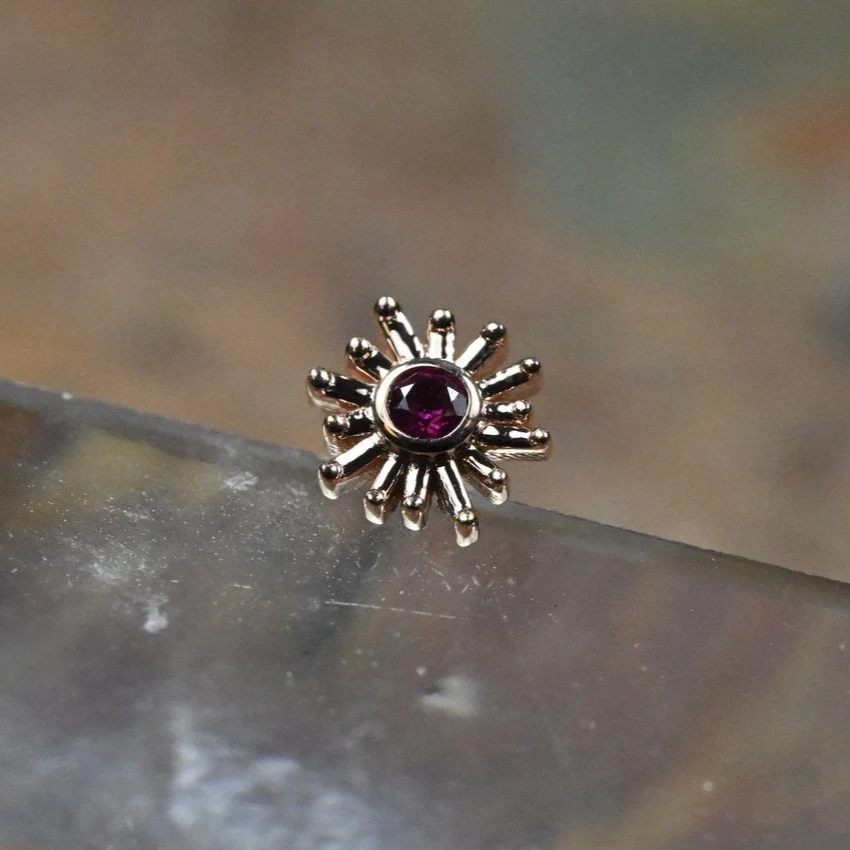
What makes a ruby a ruby?
Ruby is a variety of corundum which is the same mineral as sapphire. The only difference between a ruby and a sapphire is color: corundum that's red is a ruby. Everything else is a sapphire. That red color comes from trace amounts of chromium, and it's that same chromium that gives ruby something rare: fluorescence. Under the right light, a ruby doesn't just reflect red. It glows red. That inner fire is part of what's made it so coveted for so long.
The most prized rubies have what's described as a "pigeon's blood" color; a vivid, slightly bluish-red with exceptional saturation. Myanmar (formerly Burma) has historically produced some of the finest stones in the world, though rubies also come from Mozambique, Thailand, Sri Lanka, and several other sources. Origin matters in the ruby market in a way it doesn't always with other stones.
On the Mohs scale, ruby sits at a 9, making it second only to diamond. That's exceptional hardness and excellent durability for everyday wear, including body jewelry.
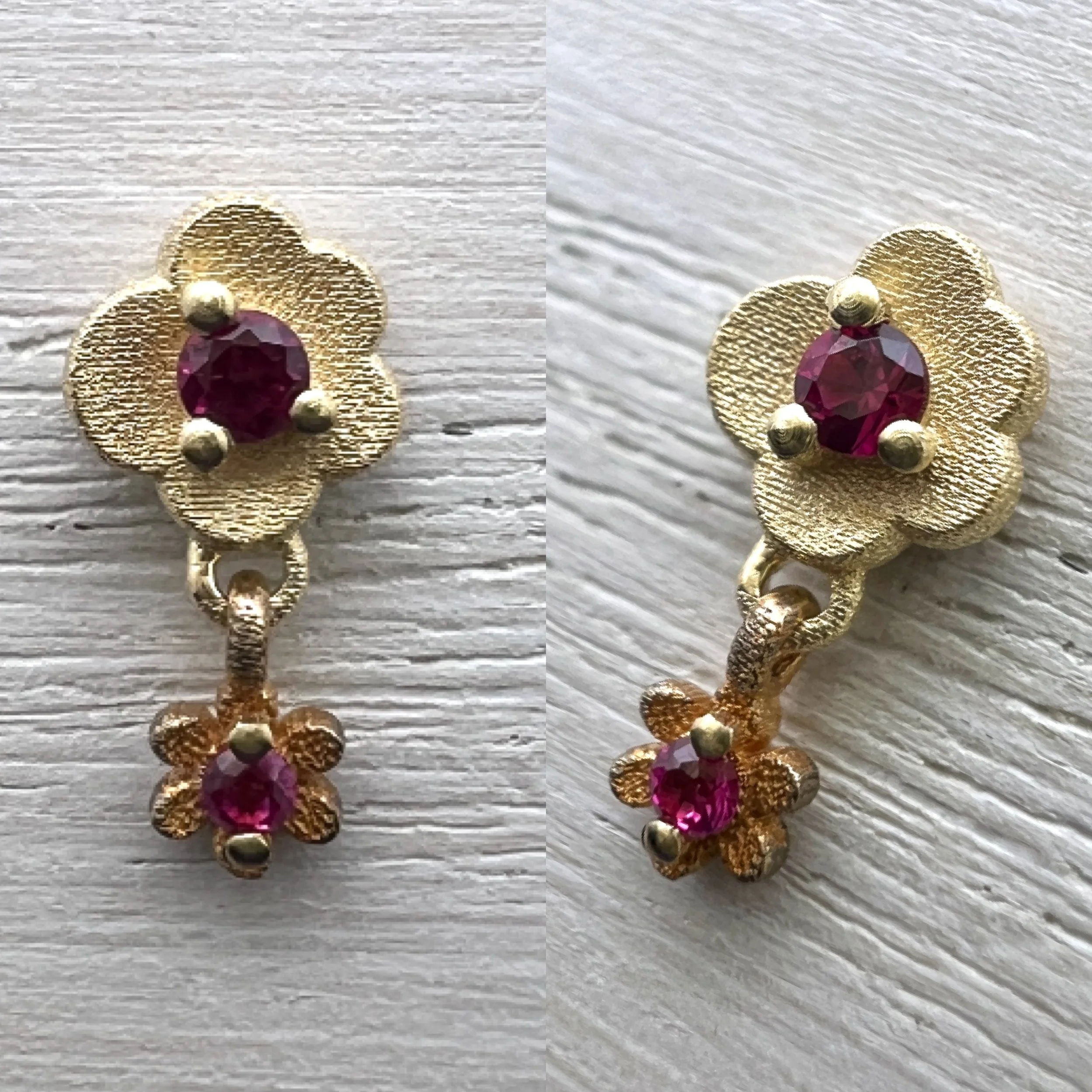
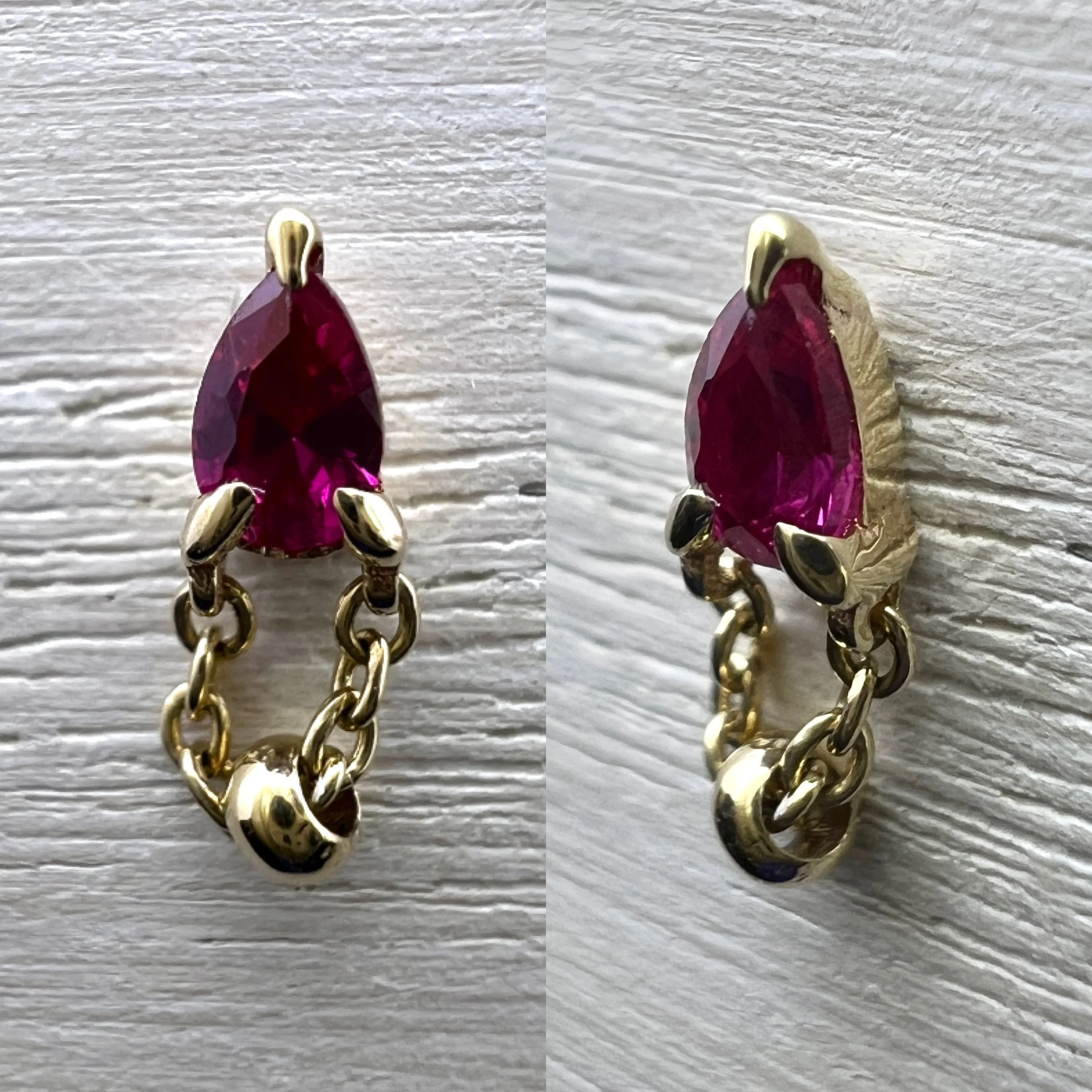
The inclusions thing.
Like emerald, ruby almost always has inclusions. In the gem trade, ruby inclusions are sometimes called silk; fine needle-like rutile crystals that scatter light inside the stone in a way that can actually enhance its glow. A completely clean ruby is rarer than a clean diamond, which is part of why exceptional rubies command some of the highest per-carat prices of any gemstone in the world.
Most rubies on the market have been heat-treated to improve clarity and intensify color. This is standard practice, widely accepted in the industry, and doesn't diminish a stone's value the way other treatments might. Something worth asking about when you're shopping for a ruby is whether a stone has been fracture-filled (a more significant treatment).
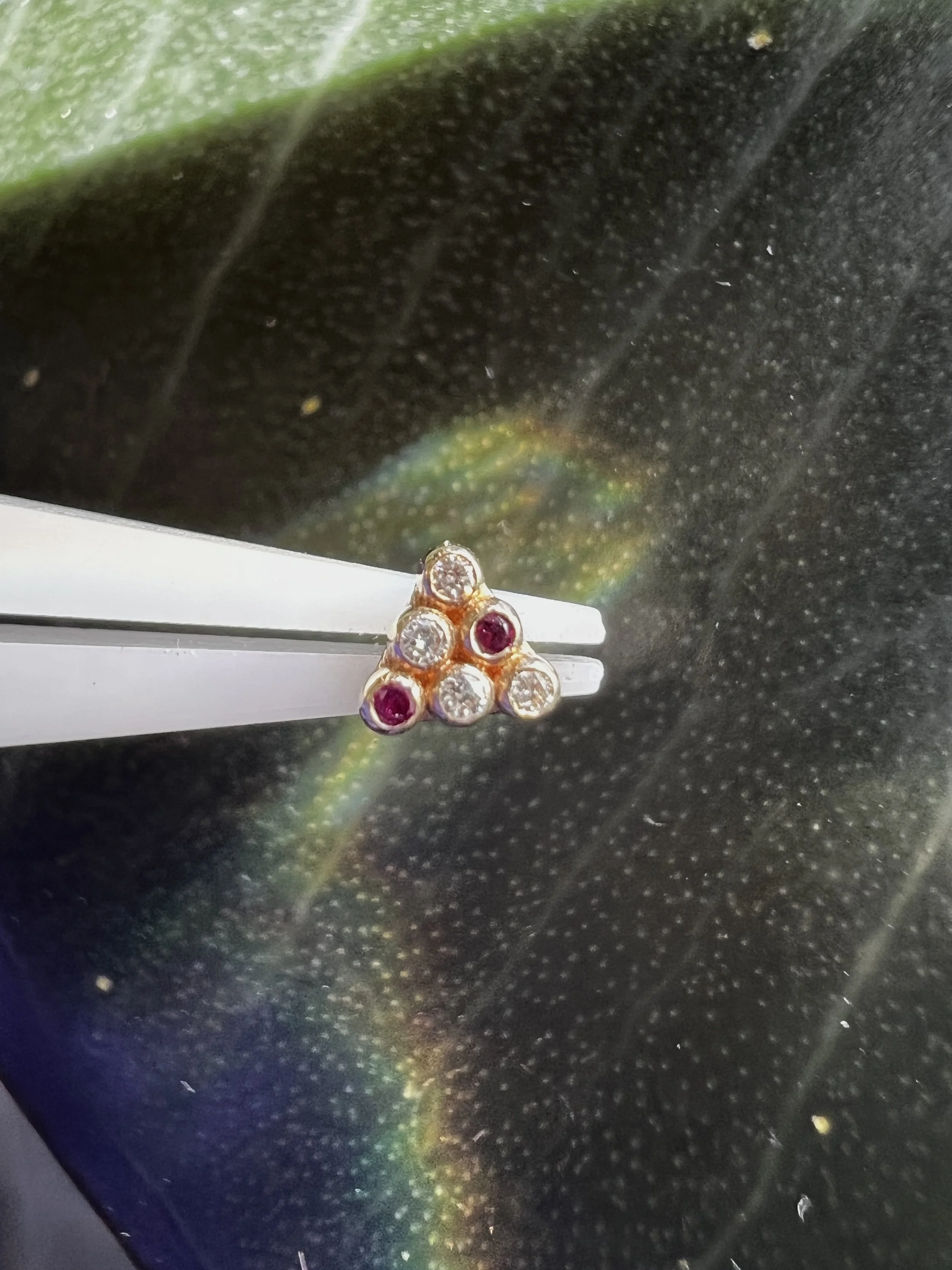
Why ruby works in body jewelry.
Red against skin is striking in a way that very few colors are. Ruby's depth and saturation make it one of those stones that earns its place in a curated collection. It doesn’t blend in, but it anchors everything around it.
At a 9 on the Mohs scale, it handles daily life well. It's not fragile. It's not high-maintenance. Standard care applies: avoid harsh chemicals, skip the ultrasonic if your stone has been fracture-filled, and clean gently with warm water and a soft cloth.
Ready to add something red to your collection?
Whether you're celebrating a July birthday or just drawn to a stone that makes a statement without apology, we'd love to help you find the right piece. Book your appointment here and let's see what speaks to you.