Will My Glasses, Helmet, or Headphones Affect My Piercing?
You've probably heard that some piercings are anatomy-dependent, but what about lifestyle? Those little everyday things like glasses, headphones, and helmets can play a big role in what piercings will be most comfortable for you. In this post, we'll go over common items that may affect certain piercings, what's still totally possible, and some great alternatives to help you confidently decide what to get next. From glasses and helmets to CPAP machines and goggles, we're covering it all.
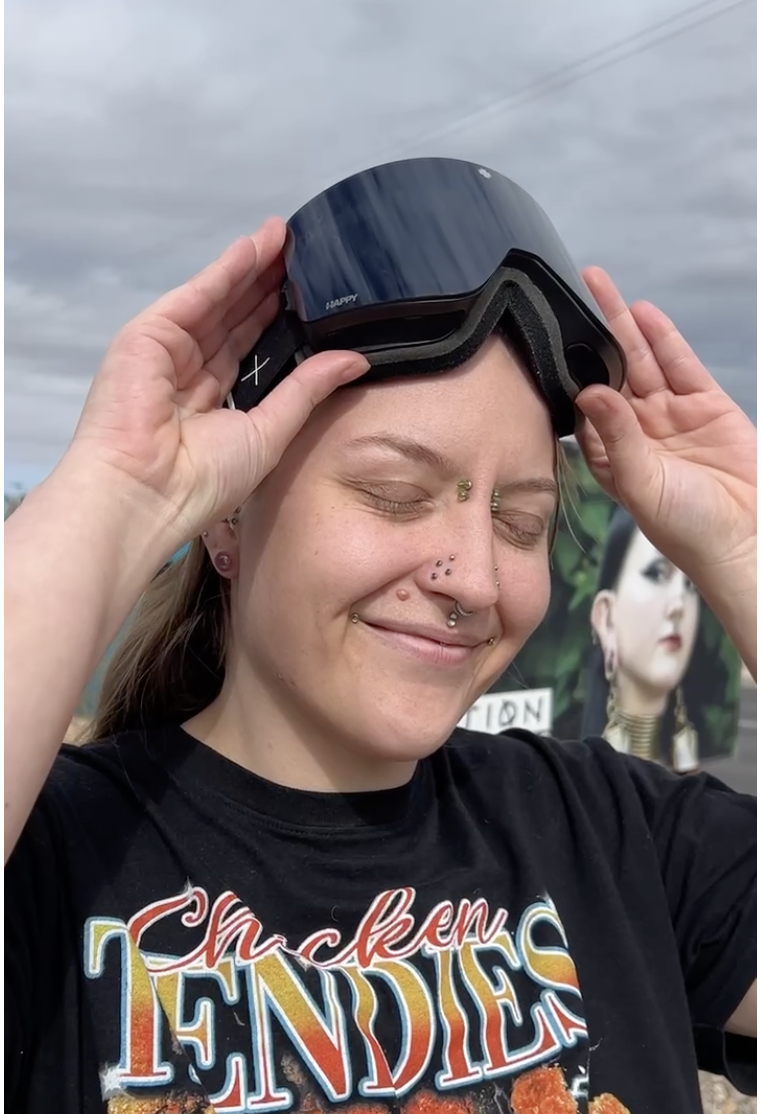

What piercings can be affected by wearing glasses?
Flat / Scapha piercings: Because of where the post exits on the back of the ear, flat piercings can sometimes interact with things that sit behind your ear such as glasses, face masks, or headphones. That doesn't mean you can't get one, it's just something to be mindful of during the healing process. We'll initially pierce you with a little extra length to allow room for swelling. If you wear glasses daily, feel free to bring them to your appointment so we can plan placement around them and make sure everything sits comfortably.
Bridge piercings: Glasses don't typically interfere with a bridge piercing, but they can visually "hide" it depending on the frame style and where your glasses sit on your nose. The height and fit of your frames can affect the overall aesthetic, so it's something to consider when choosing placement and jewelry.
Nostril and high nostril piercings: Depending on where your style of glasses sit, they could be resting on high nostril piercings. If you wear your glasses low on your nose (like readers), even traditionally placed nostril piercings can be affected. It's important to note that this is not true of all glasses. Glasses with nose pads, for example, rarely affect piercings while the nose bridge on certain types of glasses can rest on some piercing placements.
Industrial piercings: The bar can interact with frames depending on angle and frame thickness, so it's worth discussing at your appointment.
Not sure how your glasses will interact with a particular piercing? Bring them in. Seeing your frames in person makes all the difference when it comes to planning placement.
What if I wear in-ear headphones or use a stethoscope?
In-ear headphones and earbuds come with two considerations: physical pressure on healing piercings, and cleanliness. Think about where your earbuds are stored and what they come into contact with throughout the day. Using them with a fresh piercing can introduce bacteria and irritants that may lead to complications.
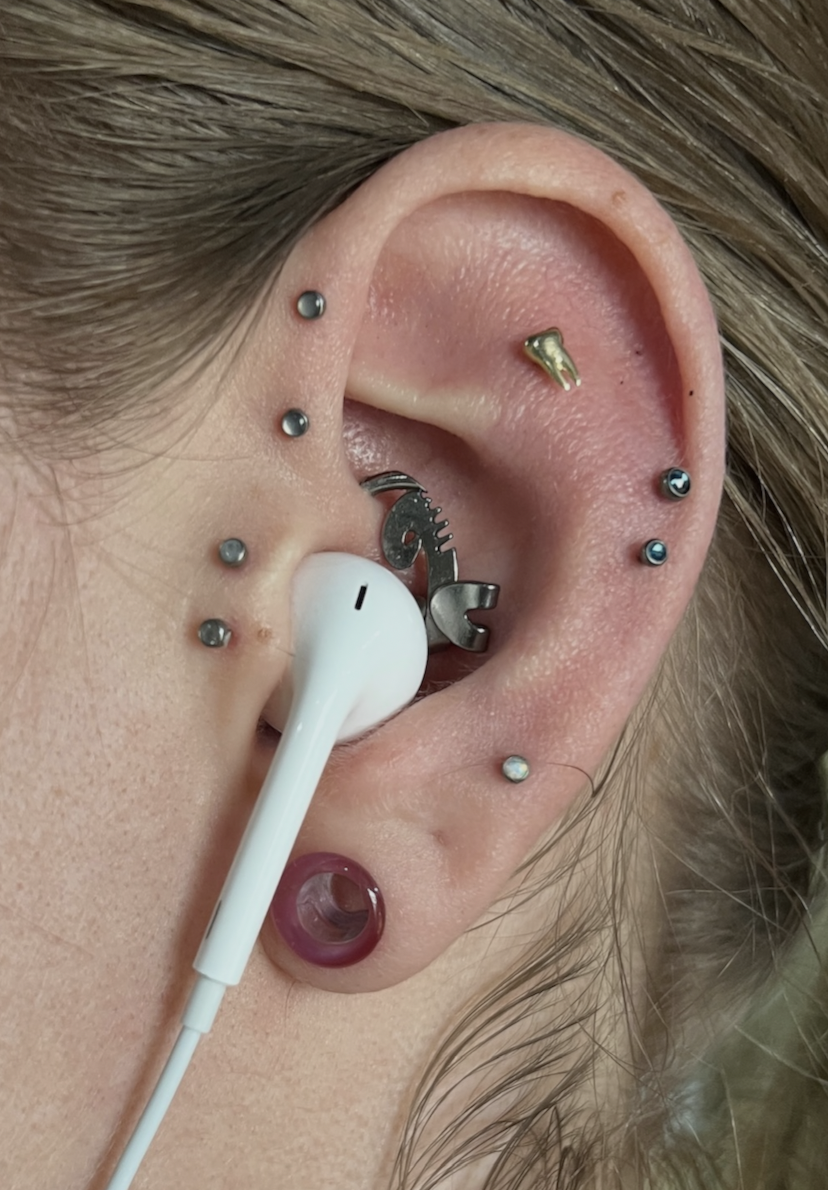
Daith piercings: In-ear headphones can put pressure on a daith piercing and may be uncomfortable, especially while it's healing. If possible, try to avoid earbuds during the healing process or switch to over-the-ear headphones for a more comfortable option.
Tragus piercings: In-ear headphones tend to press directly against a tragus piercing, especially when it's fresh. Since we use a slightly longer post initially to allow for swelling, earbuds will make contact with the jewelry each time you wear them, which can cause irritation and potentially prolong healing.
Conch piercings: Whether or not a conch piercing interacts with your headphones really depends on the type of jewelry you choose and the style of headphones you wear. Some clients have no issues at all, while others may notice pressure or irritation, especially during healing. Bring your headphones to your appointment so we can assess fit and help you choose the most comfortable placement and jewelry option for your lifestyle.
Rook piercings: Similar to the daith, earbud pressure can be an issue here, particularly during healing.
What about over-the-ear headphones and helmets?
Over-the-ear accessories can sometimes provide relief for piercings located inside the ear, but they may still put pressure on piercings along the outer edge. It really depends on the specific piercing, the jewelry style, and the shape and fit of your headphones or helmet.
Helix piercings: The outer rim of over-ear headphones and the interior padding of helmets can press directly on helix piercings. During healing this can cause significant irritation.

Industrial piercings: The full bar sits across the upper ear, making it especially vulnerable to helmet pressure. This is one of the more important lifestyle considerations for this placement.
Conch piercings: Jewelry choice matters a lot here. A flat back labret-style piece will sit much more comfortably under a helmet or headphones than a ring.
Earlobes: People often forget that stretched lobes or fresh lobe piercings can also be affected by over-ear accessories.
Daith and rook piercings: Good news here. These placements are often protected by over-ear accessories since they sit inside the ear rather than on the outer edge.
As always, fit and placement matter more than most people realize. Bring your helmet or headphones to your appointment and we'll figure it out together.
What about CPAP machines?
If you use a CPAP machine, you already know that getting a good mask fit is everything, and a healing piercing in the wrong spot can genuinely complicate that. This doesn't mean piercings are off the table, but timing and jewelry selection matter more than usual. Here's what to consider depending on your mask type:
Nasal masks and nasal pillow masks:
These sit across the bridge of the nose and seal against the upper lip area. Piercings most likely to be affected include:
Nostril and high nostril piercings: The mask cushion or nasal pillows can press directly against these, causing irritation and prolonging healing.
Bridge piercings: The mask frame typically crosses this area.
Philtrum (Medusa) piercings: The lower edge of a nasal mask sits right at the upper lip, making this placement particularly vulnerable during healing.
Full face masks:
These cover from the bridge of the nose to below the lower lip, which expands the list considerably. Everything listed above for nasal masks applies, plus:
Septum piercings: The mask frame bridges directly across the septum.
Labret piercings: The mask seal runs along the chin, putting pressure on the lower lip area.
The good news: with thoughtful timing and the right jewelry, many of these piercings are still achievable. Flat, low-profile jewelry and retainers can reduce interference significantly. We'd love to talk through your specific mask style and fit before your appointment. This is genuinely one of those situations where a quick consultation can make all the difference between a smooth healing experience and a frustrating one.
What about goggles and swim gear?
If you're a swimmer, diver, snorkeler, skier, or anyone who regularly wears goggles of any kind, there are a few things worth thinking through before you book, both in terms of where goggles physically sit on your face and what water or weather exposure does to a healing piercing.
Bridge piercings: Both swim and ski goggle frames sit right here, making this one of the more significant conflicts. Swim goggles tend to have a hard frame directly on the bridge, while ski goggles distribute pressure across a wider foam seal, but either way, healing a bridge piercing while wearing goggles regularly is a real challenge.
Nostril piercings: Depending on the goggle style and your face shape, the inner edge of the frame can press against nostril piercings.
Upper cheek single point / surface piercings: Goggles rest directly on this area, making active goggle use one of the more meaningful lifestyle considerations for this placement specifically.
Water and weather exposure is worth its own mention. Whether you're swimming laps, surfing, snorkeling, or spending a day on the mountain in wind and cold, a healing piercing exposed to those conditions faces bacteria, chemicals, prolonged moisture, or harsh elements, all of which can slow healing or cause complications.
The practical takeaway: timing matters here more than avoidance. If goggles are a regular part of your life, we can talk through the best time to get started, jewelry options that minimize interference, and realistic expectations for your healing timeline. Bring your goggles to your appointment. Fit varies enough between styles that seeing yours in person genuinely helps.
What about face masks?
Face masks are still a daily reality for many people, including healthcare workers, those with compromised immune systems, and anyone who just prefers to mask in certain settings. The good news is that most piercings aren't significantly affected by mask wear. There are a couple of placements worth noting, though, particularly during healing.
Loop-style masks, the kind that hook behind the ears, are the most likely to cause issues:
Flat and scapha piercings: The loop sits right behind the ear where the post of a flat piercing exits, which can cause snagging and pressure during healing.
Helix piercings: Loops can catch on helix jewelry, especially rings or larger pieces.
Masks with a nose wire or rigid bridge can also affect:
Nostril and high nostril piercings: The wire or bridge presses down across the nose to create a seal, which can sit directly on these placements during healing.
Tie-back and headband-style masks sidestep most of the ear-related issues, and masks without a rigid nose bridge reduce contact with nostril piercings. If you're in healthcare and masking is non-negotiable, just let us know at your appointment. It's an easy thing to plan around with the right placement and jewelry choices.
What about sleeping position?
This one surprises a lot of people, but how you sleep can have a real impact on how smoothly a piercing heals, especially ear piercings. Pressure and friction from a pillow night after night adds up fast, and a piercing that feels fine during the day can take much longer to heal if it's being compressed for eight hours at a stretch.
Piercings most affected by sleeping position include any ear piercing on the outer or inner cartilage, including helix, flat, scapha, industrial, daith, rook, conch, and tragus, as well as fresh earlobes. Basically, if it's on or in your ear, sleeping on it matters.
The most effective solution is a travel pillow with a center opening. Sleeping with your ear in the hole eliminates direct contact entirely and makes a noticeable difference for side sleepers. It sounds a little extra until your piercing heals twice as fast.
If you're a dedicated side sleeper who only sleeps on one side, that's worth mentioning at your appointment. We can factor it into which ear we suggest starting with.
What about hair and skincare products?
This one often flies under the radar, but the products you use every day can absolutely affect a healing piercing. The main concern isn't any single application. It's repeated exposure over weeks or months of healing.
Aerosol products like hairspray and dry shampoo are the most common culprit for ear piercings. Spray drifts and settles, leaving residue in and around the piercing site. During healing, this can cause irritation and buildup. A simple fix: shield the area when spraying, or apply product before getting dressed so you can rinse the ear afterward.
Facial products, including sunscreen, moisturizer, and makeup, are worth being thoughtful about near healing facial piercings. Nostril, high nostril, bridge, philtrum, and labret piercings all sit in areas where skincare and makeup are routinely applied. None of these products are designed to go inside a healing wound, and many contain ingredients that can irritate delicate healing tissue. Apply with care around the piercing, and avoid getting product directly on or inside it.
The overall rule of thumb: anything you wouldn't put directly into a healing wound probably shouldn't be making regular contact with your piercing. When in doubt, rinse the area with clean water after your routine.
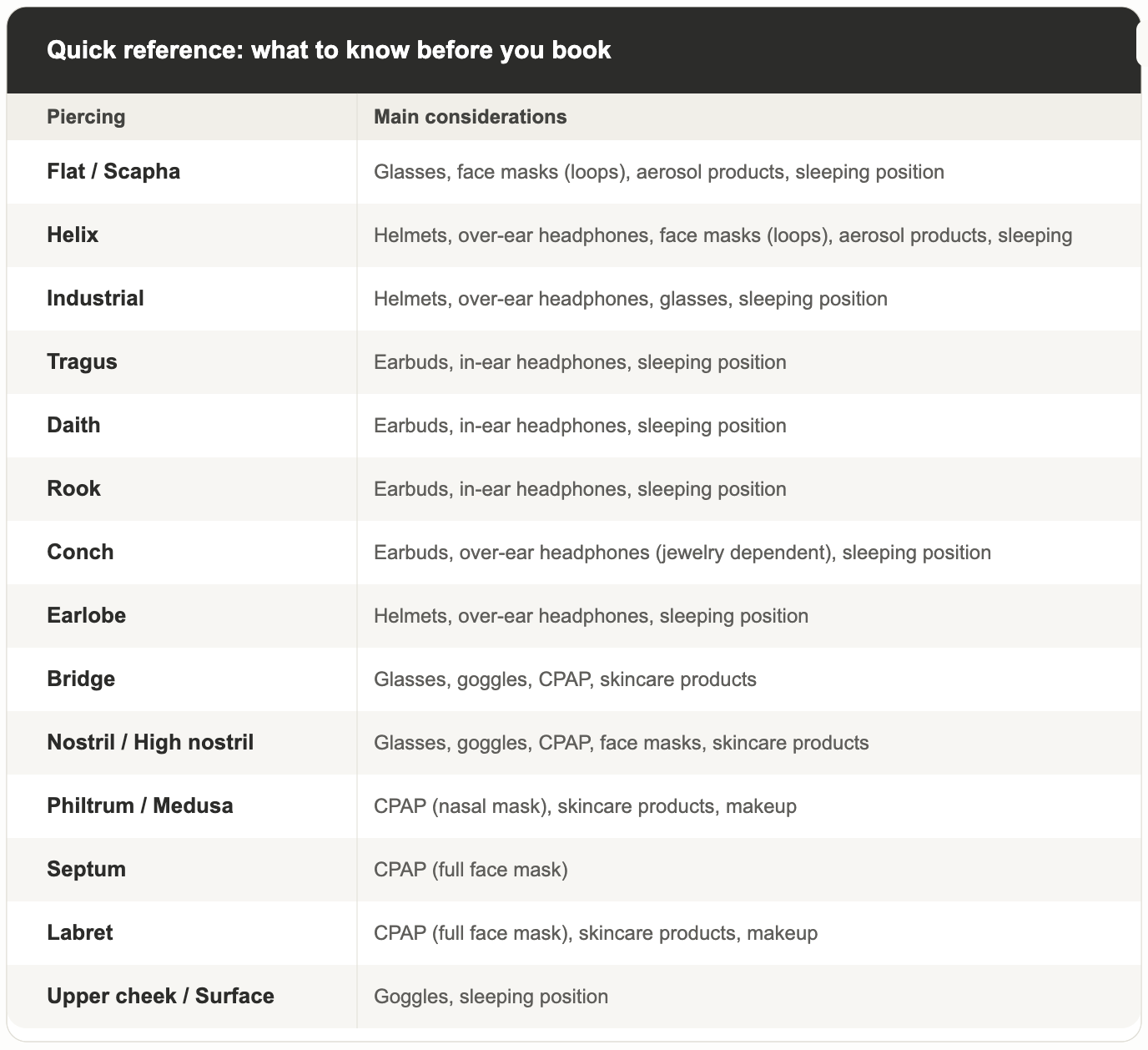
Quick reference: what to know before you book
Already know what you want? Here's a quick look at which piercings tend to need the most lifestyle consideration:
The Bottom Line:
None of this is meant to talk you out of anything. It's meant to help you walk in prepared. Your CPAP, your swim routine, your side-sleeping habit — these aren't obstacles, they're just part of the conversation. The more you share with us, the better we can take care of you.