Why We're Still Obsessed with Amethyst After Thousands of Years
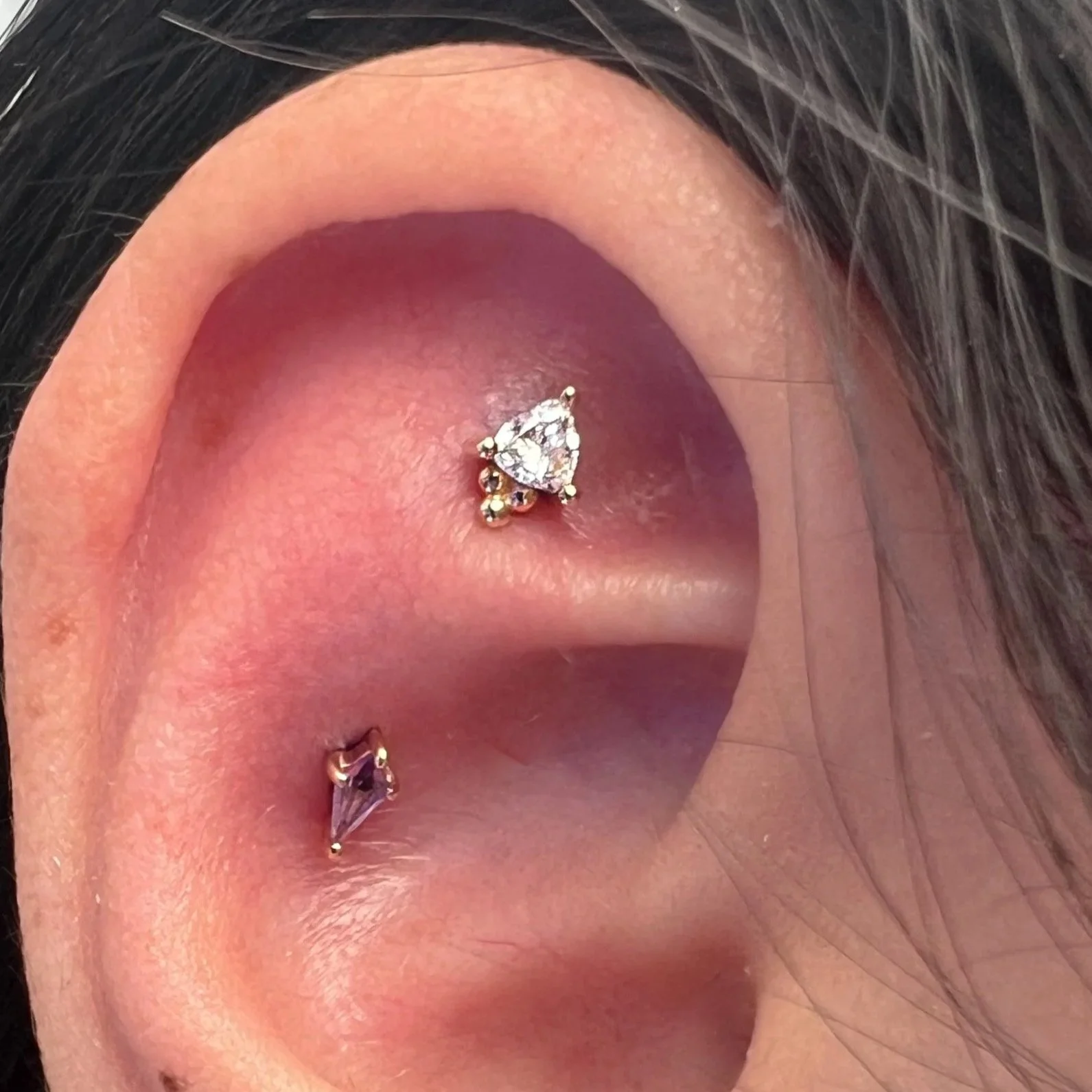
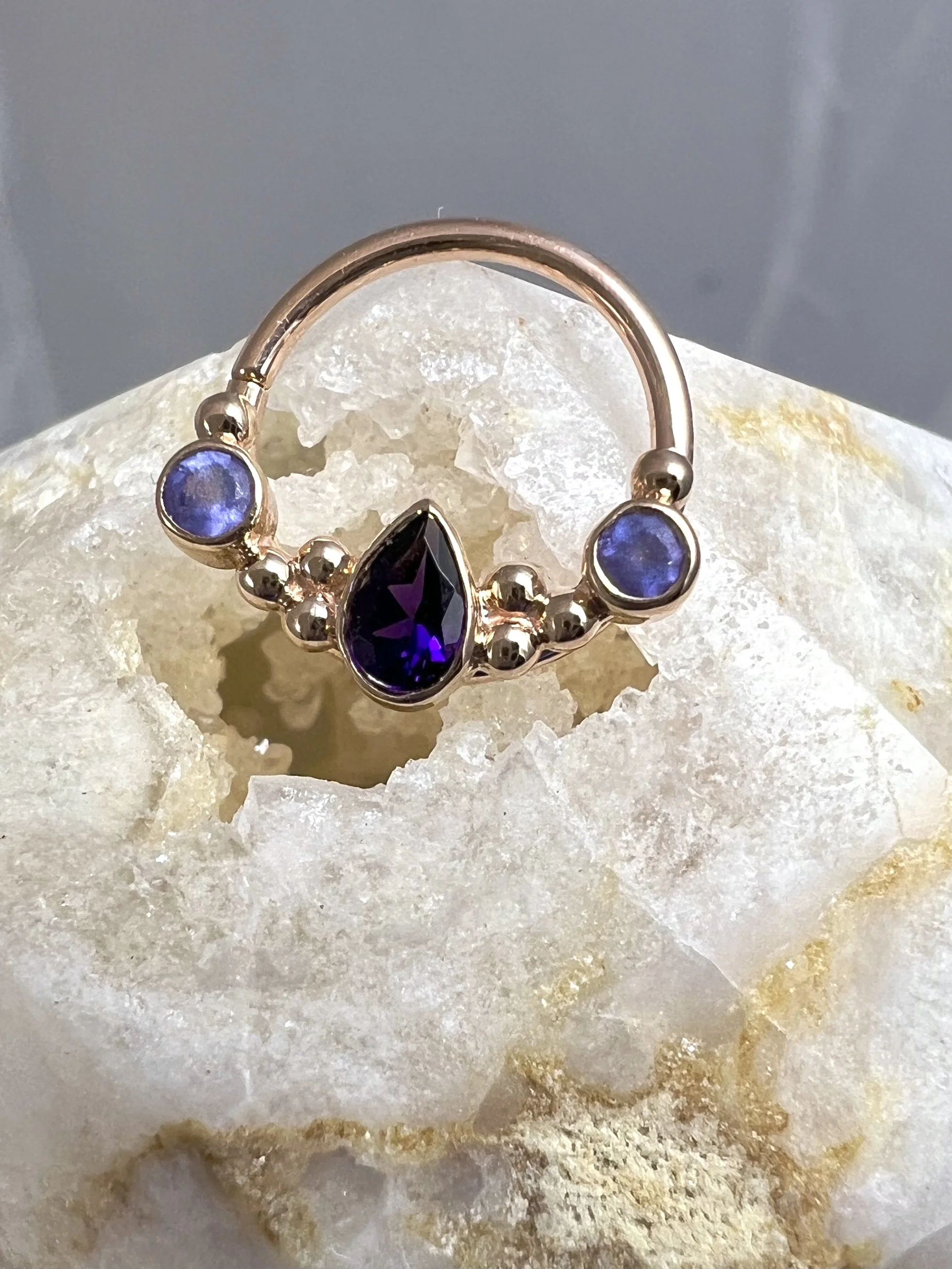
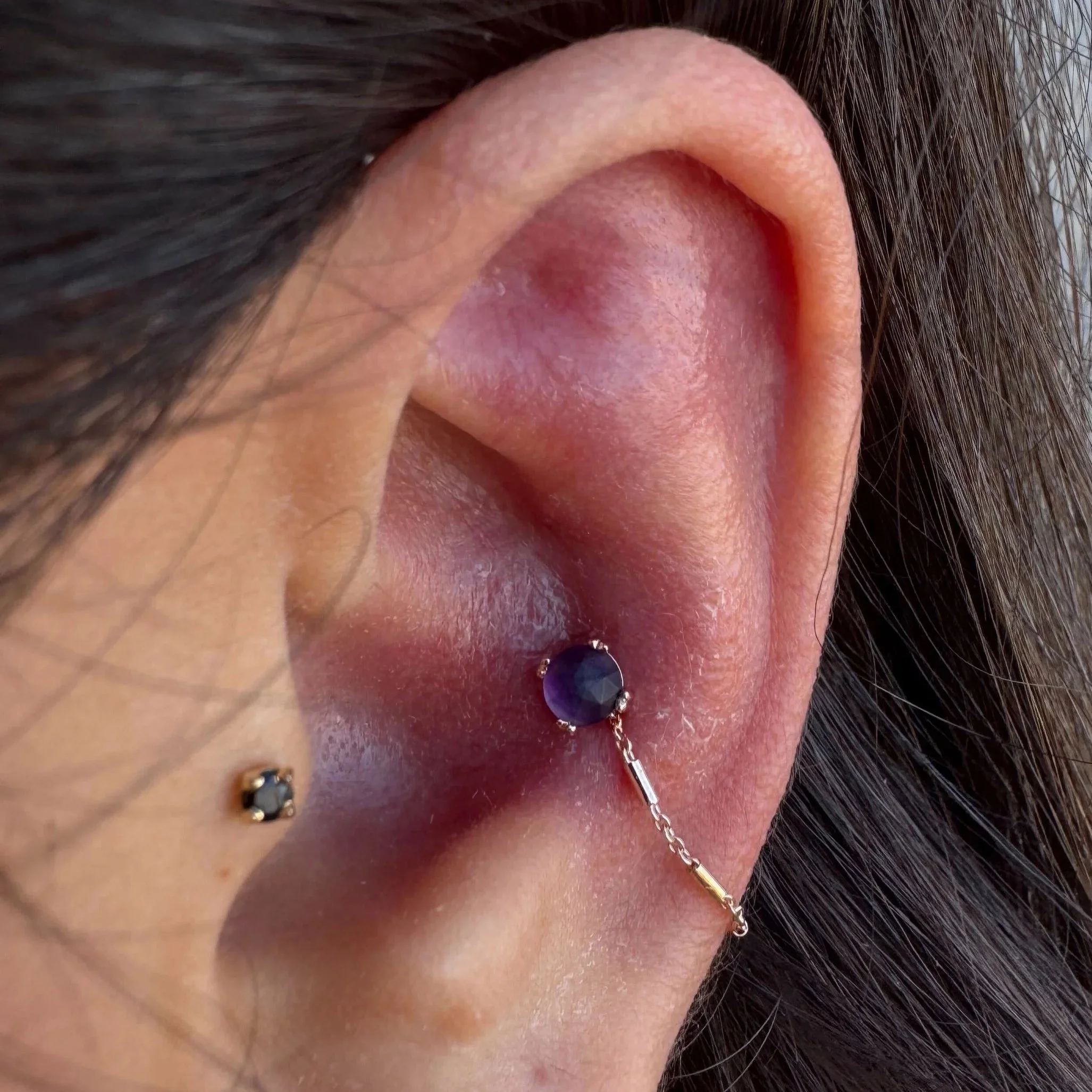
February's birthstone is amethyst, and it's a showstopper. That signature purple has this depth to it that photographs beautifully and looks even better in person. It's been prized by royalty for centuries, and these days it's accessible enough that you don't need a crown to wear it—just good taste.
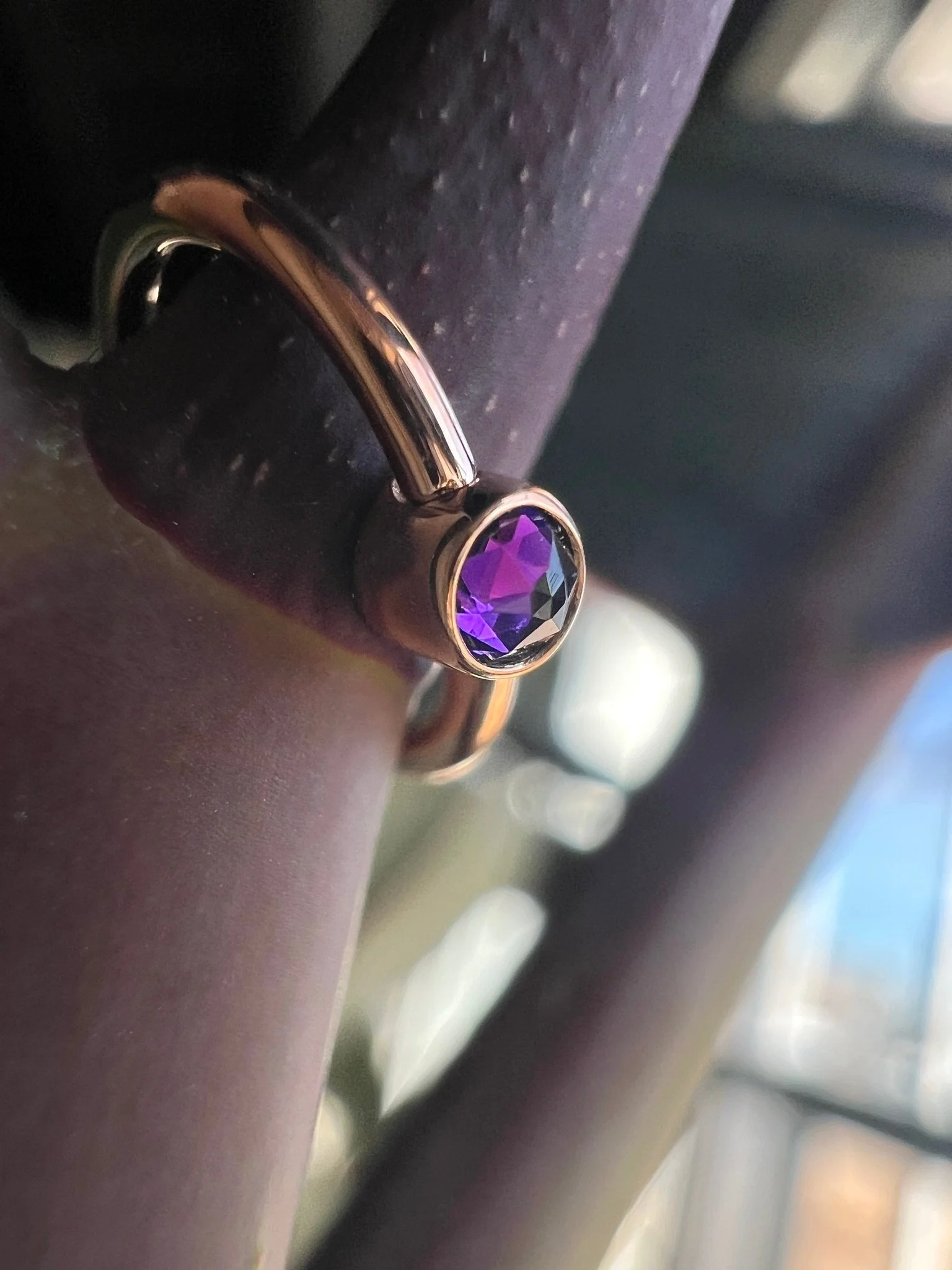
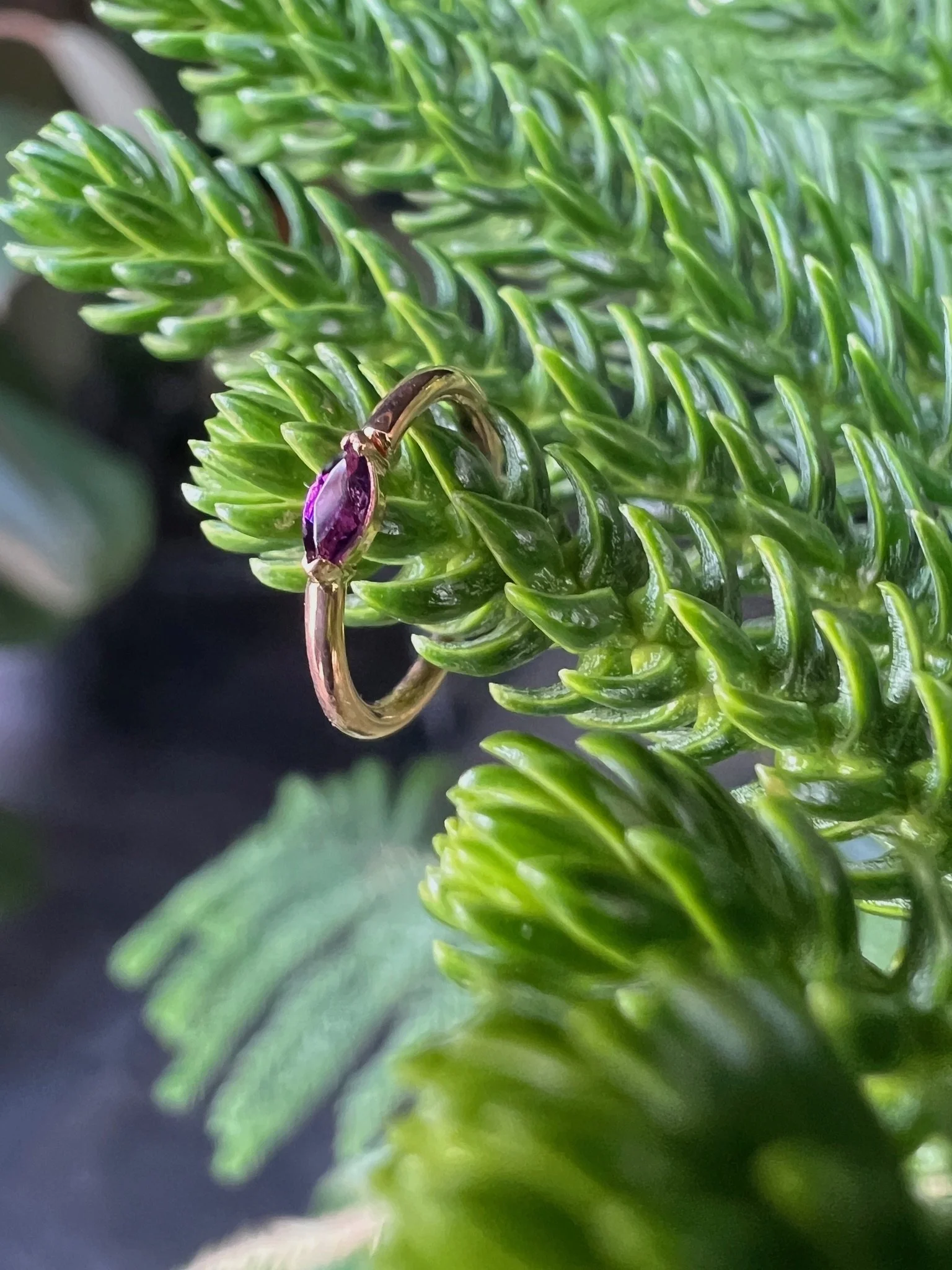
What is amethyst, anyway?
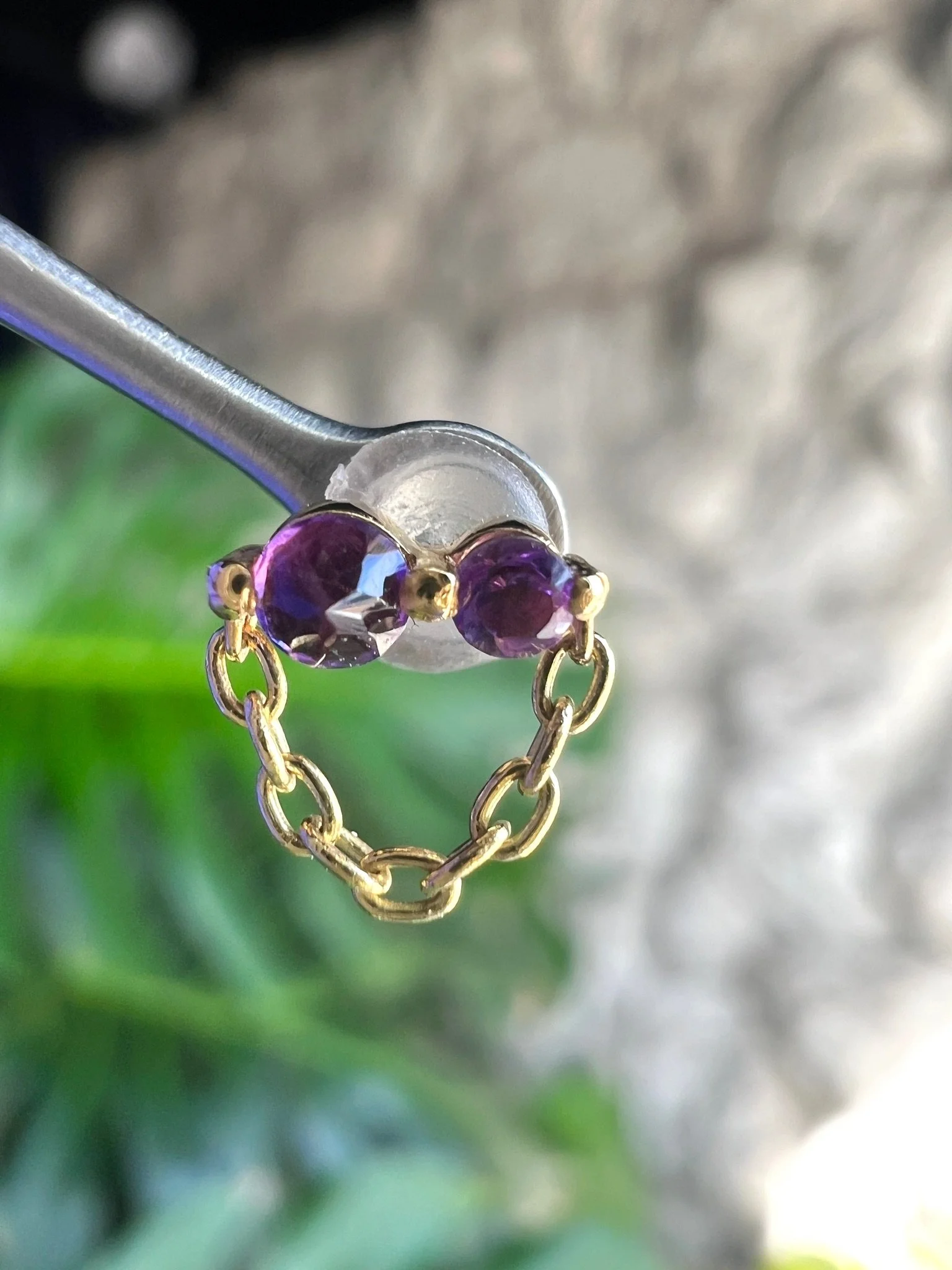
Amethyst is a variety of quartz, and it's that signature purple that makes it instantly recognizable. The color can range from pale lavender to deep, almost-grape purple, depending on the iron content and how the crystal formed. The deeper the color, the more prized it typically is, but honestly? The lighter shades have their own dreamy appeal.
Here's something cool: for a long time, amethyst was considered one of the cardinal gemstones, right up there with diamonds, rubies, and emeralds. It was rare, expensive, and reserved for royalty. Then large deposits were discovered in Brazil in the 19th century, which made it way more accessible. So now you get all that royal history and beauty without the royal price tag.
The purple comes from natural irradiation and iron impurities in the crystal structure, which is a fancy way of saying nature did something pretty remarkable here. And that color? It's striking in person. It catches light in this soft, luminous way that works beautifully in body jewelry.
Why amethyst is perfect for piercings
Amethyst ranks at a 7 on the Mohs hardness scale, which makes it durable enough for everyday wear in most piercings. It's tougher than glass, holds up to normal wear and tear, and doesn't scratch easily. That said, like any gemstone, you don't want to go smashing it into things, but for typical daily life? It's solid.
One note: because it's a natural stone, you want to avoid prolonged exposure to extreme heat or harsh chemicals. But for normal everyday wear, amethyst is a workhorse that just so happens to be gorgeous.
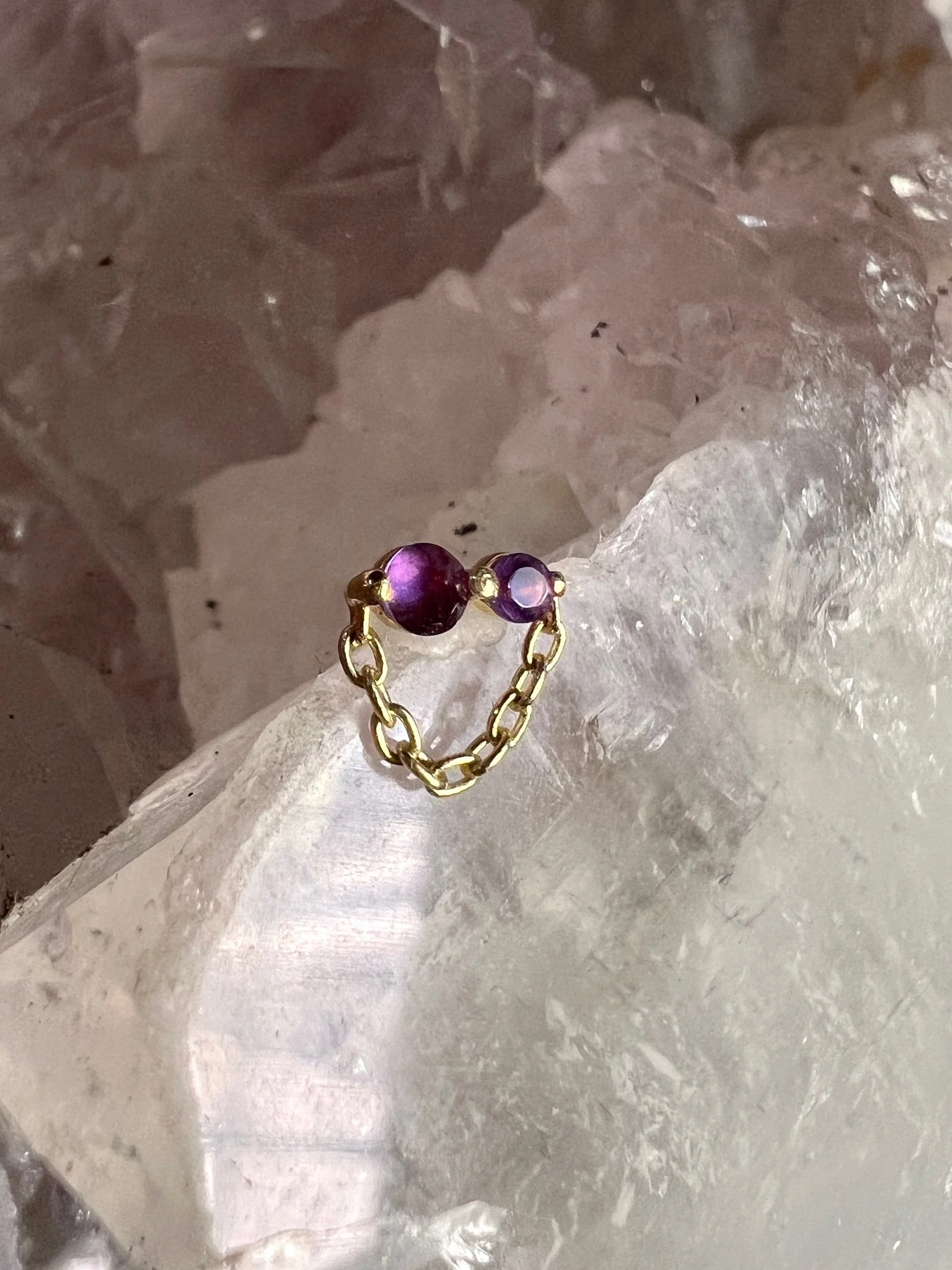
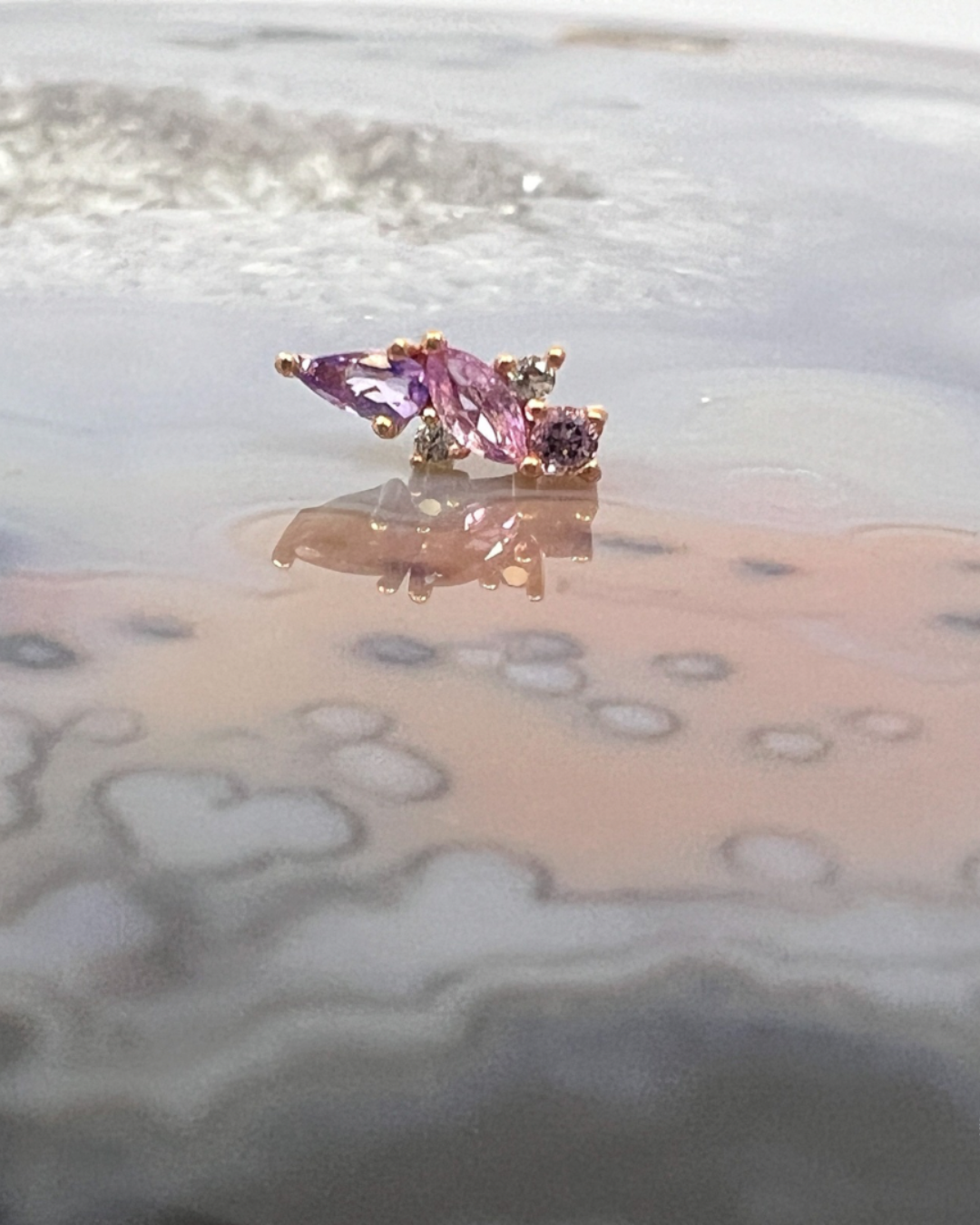
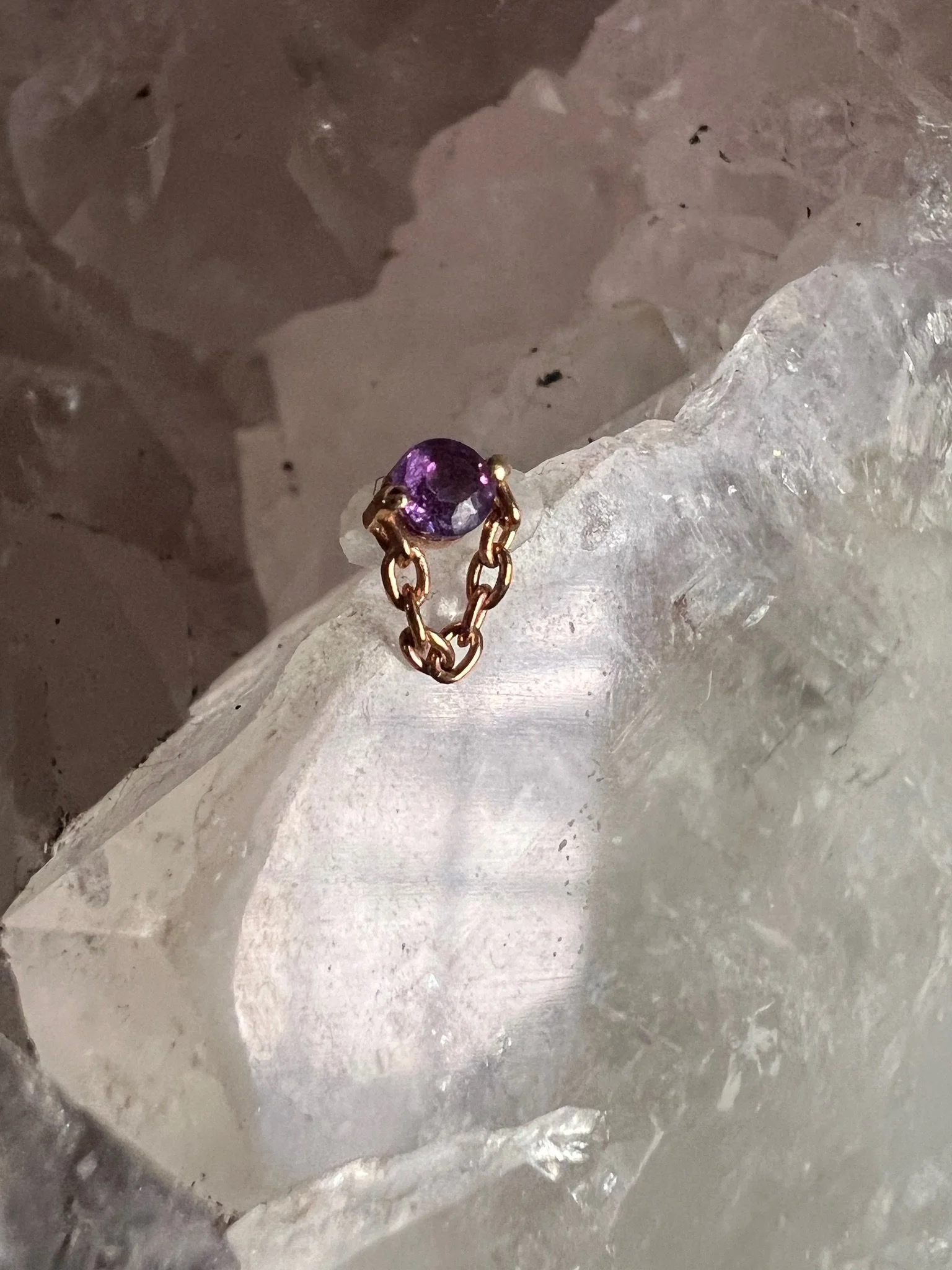
The backstory on amethyst (it's worth knowing)
Amethyst has been valued for thousands of years. The ancient Greeks believed it could prevent intoxication—the name actually comes from the Greek word amethystos, meaning "not drunk." They'd even carve drinking vessels out of it, thinking it would keep them sober. (Spoiler: it didn't work, but points for trying.)
It's also been associated with clarity, calm, and protection. Medieval soldiers wore it into battle believing it would keep them level-headed. Royalty across Europe adorned themselves with it. There's something about that deep purple that's always felt regal and grounding at the same time.
If you're drawn to amethyst for its history, its color, or just because it speaks to you, you're tapping into a tradition that goes back millennia.
Thinking amethyst might be your move?
Whether you're all about February or just love the way purple looks in your setup, we'd love to show you what we've got. Book your appointment here and let's make it happen.